US and Belgium Intervene in the Congo
The United States and Belgium conducted a rescue mission in Congo to rescue hostages who were being held in the town of Stanleyville.
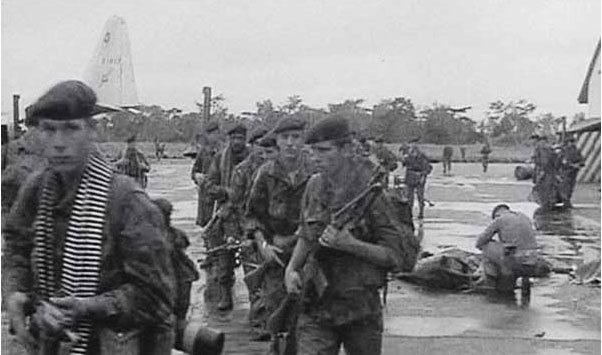
In the early 1960s, the Democratic Republic of Congo was embroiled in a complex and multifaceted crisis that involved not only internal factions but also Cold War superpowers and former colonial nations. The Congo had gained independence from Belgium in 1960, but the post-independence period was marked by political instability, secessionist movements, and internal strife. By the mid-1960s, the country was in the midst of a full-blown civil war, with the Simba rebels, a leftist and nationalist group, mounting an insurgency against the central government based in Leopoldville (now Kinshasa).
In this volatile context, the Simba rebels resorted to desperate measures, taking several hundred hostages, including American and Belgian nationals, and holding them at the Victoria Hotel. This act was intended to draw international attention and to pressure the Leopoldville government and its Western backers. The Belgian government, acutely aware of its historical ties and responsibilities to the Congo, requested assistance from the United States.
Responding to the urgent request, the U.S. provided logistical support in the form of six C-130 transport aircraft. On the morning of November 24, 1964, Belgian paratroopers, in a high-stakes operation, secured the airfield near Stanleyville (now Kisangani), the base of the Simba rebels. From there, they proceeded to the Victoria Hotel and successfully liberated 60 hostages.
Simultaneously, hostages at the Residence Victoria were herded into the streets by the rebels. In a horrifying turn of events, the rebels began to shoot them. Belgian troops arrived just in time to prevent a massacre, though tragically, 18 hostages were killed and another 40 seriously wounded. Despite the losses, the operation succeeded in evacuating a total of 1,600 foreign nationals and 150 Congolese.
The Stanleyville hostage crisis was not just a dramatic episode but a reflection of the broader complexities and external interests in the Congo crisis. The involvement of Belgian and American forces illustrated the lingering influence of former colonial powers and the global geopolitical considerations shaping the Congo's turbulent path in the 1960s. The operation had immediate humanitarian goals, but it also revealed the deep-rooted issues facing a nation grappling with the legacy of colonialism, Cold War politics, and internal divisions. In the end, while the mission managed to save many lives, it also exposed the persistent challenges that plagued the Congolese state.