Vermont Abolishes Slavery
On July 2, 1777, Vermont became the first state to abolish slavery. Between 1777 and 1804, all states north of the Delaware voted to gradually abolish slavery.
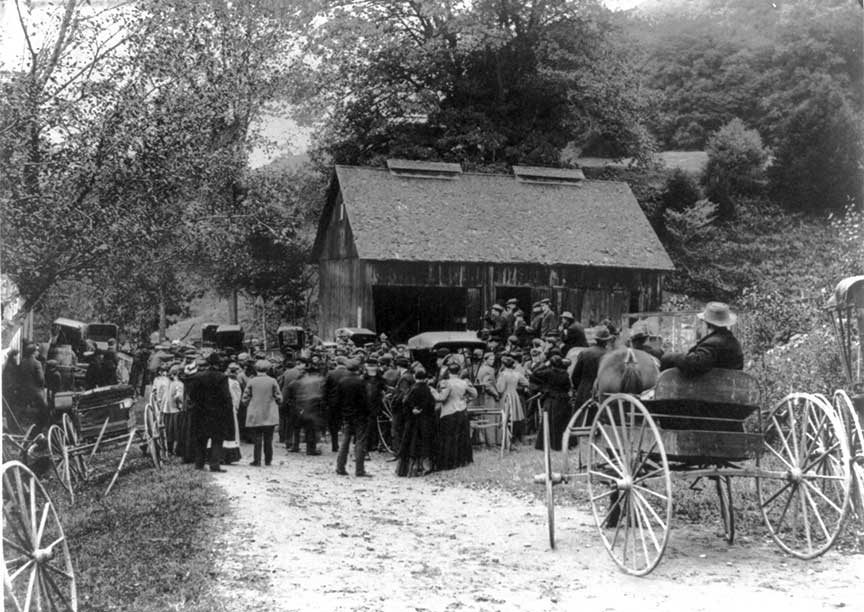
On July 2, 1777, Vermont became the first colony to outlaw slavery. It did not only outlaw slavery, but the Vermont legislature also gave African American males the right to vote. Vermont’s action came after its neighbors, Rhode Island and Connecticut, had made overseas slave trading illegal while still allowing interstate slave trading.
While several colonies/states in the North slowly outlawed slavery, many of them had strict laws limiting the freedoms of free Blacks. Connecticut, for instance, passed laws that did now allow them to own land. Following Vermont’s lead, other Northern states slowly outlawed slavery. For example, Pennsylvania, a state founded by Quakers who opposed slavery, passed the Gradual Emancipation Act. It allowed slave owners to keep their current slaves, but children born under slavery would be freed if they were female at age 18 and male at age 21. Since the slave trade was banned, this meant an eventual end to slavery.
Massachusetts passed a similar law in 1781, New Hampshire followed in 1783, Connecticut in 1784, Rhode Island in 1784. New York adopted the Pennsylvania model in 1799. New Jersey was the last Northern state to free its slaves when it adopted legislation similar to the Pennsylvania model in 1804.