First African Slaves Brought to Cuba
Spain began the colonization of Cuba in 1511, when Diego Velazquez led an expedition that subdued the island and established its first European settlements. The Spanish forced the Indigenous Taino population into labor under the encomienda system, but the native peoples were rapidly devastated by overwork, violence, and Old World diseases to which they had no immunity.
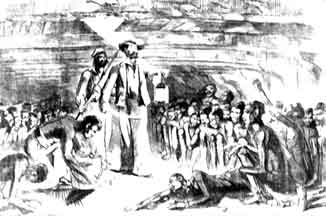
To replace this collapsing labor force, the colonists turned to enslaved Africans. The first African captives were brought to Cuba in the early sixteenth century, inaugurating a system of chattel slavery that the Spanish crown sanctioned through licenses and contracts for the transatlantic trade. Enslaved Africans were put to work in mining and, increasingly, in agriculture.
Over the following centuries the slave trade to Cuba grew enormously, particularly after sugar plantations expanded in the late eighteenth and early nineteenth centuries and the island became one of the world's leading sugar producers. Hundreds of thousands of Africans were transported there, profoundly shaping Cuban society. Slavery on the island was not finally abolished until 1886.