HistoryCentral Est. 1996
World History · Europe

Peter the Great Dies

Peter the Great Dies
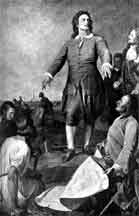
illustration
Peter the Great Dies

Peter I, known as Peter the Great, ruled Russia for more than four decades, having become tsar as a boy in 1682 and assuming effective power in his own right by the 1690s. Determined to modernize his realm and draw it closer to Western Europe, he undertook sweeping reforms of the army, navy, administration, and society, and famously traveled abroad to study European techniques and institutions firsthand.

Under Peter's leadership Russia waged the long Great Northern War against Sweden, winning a decisive victory at Poltava in 1709 and securing access to the Baltic Sea. He founded the new capital of St. Petersburg in 1703 and proclaimed himself Emperor, transforming Russia into a recognized European great power. His reforms reshaped the nobility, the church, and the economy, though often at great human cost.

Peter the Great died in February 1725 at the age of fifty-two, after a reign of more than forty years that had fundamentally transformed Russia. He left behind an expanded, modernized, and Europeanized empire, but no clear successor, having earlier set aside the traditional rules of inheritance. His death opened a period of contested successions, yet the modern Russian state he had forged endured and continued to grow in power.

From the makers of HistoryCentral

Explore our history apps

Take HistoryCentral with you. Our apps put American history and centuries of the human story in your pocket.

Browse the Apps →