HistoryCentral Est. 1996
World History · Europe

Christopher Columbus Sets Sail for Third Voyage

Christopher Columbus Sets Sail for Third Voyage
illustration
Christopher Columbus Sets Sail for Third Voyage

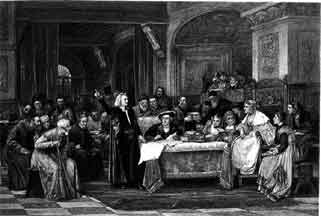
Having reached the Caribbean in 1492 and completed a second, larger expedition in the years following, Christopher Columbus secured royal backing from Ferdinand and Isabella of Spain for a third Atlantic crossing. He set sail in 1498, dividing his fleet so that part sailed directly to the colony on Hispaniola while he led the remainder on a more southerly course in search of new lands.

During this 1498 voyage Columbus sighted and named the island of Trinidad. Sailing on, he reached the Gulf of Paria and the coast of present-day Venezuela, encountering the mainland of South America—though he believed he had arrived at the outskirts of Asia. The great outflow of fresh water from the Orinoco River led him to speculate that he had found a vast continent, a perception at odds with his conviction that he had reached the Indies.

The third voyage thus marked the first documented European landfall on the South American mainland. Yet Columbus's tenure as governor of the Spanish colonies ended in disgrace: amid unrest and accusations of misrule on Hispaniola, a royal investigator, Francisco de Bobadilla, arrested him in 1500 and sent him back to Spain in chains. Though later released, Columbus never recovered his former authority over the lands he had reached.

From the makers of HistoryCentral

Explore our history apps

Take HistoryCentral with you. Our apps put American history and centuries of the human story in your pocket.

Browse the Apps →