Home
Search Site
About MultiEducator
The Colonies
For Educators
American History
World Timeline
Election Central
NationbyNation
Primary Source Documents
20th Century Almanac
Aviation History
Navy History
Railroad History
America's Wars
Revolutionary War
War of 1812
Mexican American
Civil War
Spanish American
World War I
World War II
Korean War
Vietnam War
Desert Storm
Enduring Freedom
Iraqi Freedom
Biographies
Presidents
First Ladies
20th Century 500
Amistadt
Civics
History of Israel
Other Links
About Historycentral
Advertise
Contact US
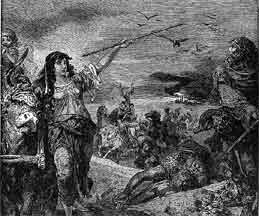
Battle of White Mountain
Johan Tserciaes, Count of Tilly, led the Catholic League in the Battle of White Mountain. The battle which was fought near Prague resulted in a defeat for the Bohemians. Their new king was forced to flee to the Netherlands.