From the 1960s to the Present
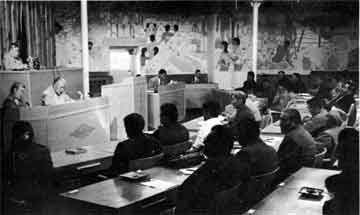
The 1960s and 1970s brought a powerful resurgence of Native American activism. Inspired by the broader civil rights movement and frustrated by generations of broken promises, a new generation organized to demand sovereignty, treaty rights, and cultural survival. The American Indian Movement and other groups carried the cause into the headlines with the occupation of Alcatraz Island in 1969, the Trail of Broken Treaties march on Washington in 1972, and the tense 1973 standoff at Wounded Knee on the Pine Ridge Reservation, the very site of the 1890 massacre.
That activism produced lasting change. Federal policy shifted decisively toward self-determination, allowing nations to govern their own affairs, run their own schools and services, and revive languages and traditions long suppressed. Landmark laws protected Native religious freedom, child welfare, and the repatriation of ancestral remains, while court victories affirmed treaty rights to land, water, and fishing. Economic development, including tribal gaming, brought new resources to some nations, though deep poverty and other challenges persist on many reservations. Today the more than five hundred federally recognized nations stand not as a vanishing people but as enduring, self-governing communities.