Germans Put Down Revolt in South-West Africa
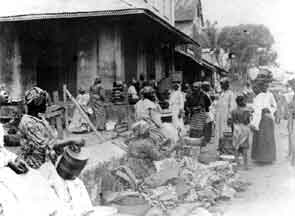
On January 11, 1904 a revolt by native Africans was initiated against German Settlement in South West Africa. The revolt was led by the Herero tribe. The natives were initially successful, overrunning several German settlements. They killed over 100 German settlers (only two were women or children). The Germans ruthlessly put down the revolt and within a few years, the Herero population had been cut to 20,000 from an original 80,000 persons..
On January 11th, a notable event took place in the historical timeline of colonial Africa. South West Africa, now known as Namibia, was the site of an uprising against German colonial rule.
By the late 19th century, Germany had established its colonial presence in South West Africa. This incursion led to the annexation of large territories, often displacing indigenous tribes from their ancestral lands. With these shifts, tensions between the native inhabitants and German settlers began to rise.
On that January day, the Herero people, one of the principal tribes in the region, initiated a revolt against the German settlers. In the initial phase of this uprising, the Herero were able to overrun several German settlements. This swift advance resulted in the loss of over 100 German lives, of which only two were women or children.
The German colonial forces, however, responded with equal swiftness. Leveraging their advanced weaponry and tactical expertise, they managed to counter the Herero offensive effectively. In addition to direct military engagements, the Germans employed strategies that included burning villages and restricting access to essential resources like water. This approach forced many Herero into the unforgiving terrains of the Namib desert, where survival became a daunting challenge.
The aftermath of the revolt saw the establishment of concentration camps by the German forces, where the Herero were detained. In these camps, they were subjected to hard labor and challenging living conditions. Reports from the time indicate high mortality rates within these camps due to a combination of disease, malnutrition, and harsh treatment.
The long-term impact on the Herero community was significant. While they numbered around 80,000 before the revolt, estimates suggest that only about 20,000 remained a few years later. This decline in population can be attributed to a combination of factors including direct warfare, forced displacements, and the conditions in the concentration camps.
The Herero Revolt is a significant chapter in the history of South West Africa. It highlights the complexities and challenges faced by indigenous populations under colonial rule. The events of the revolt and its aftermath have been studied extensively in modern times, with both Namibia and Germany examining this shared history in various capacities. The uprising remains a testament to the broader dynamics of colonialism in Africa and offers insights into the relationships between colonizers and the colonized.