HistoryCentral Est. 1996
World History · Europe

Bismark Resigns

Bismark Resigns
illustration
Bismark Resigns

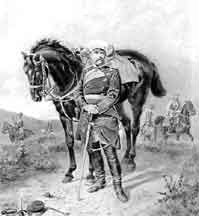
Otto von Bismarck dominated German and European politics for nearly three decades, serving as Minister-President of Prussia and, after engineering German unification in 1871, as the first Chancellor of the German Empire. Through a series of wars and shrewd diplomacy, he forged the disparate German states into a single nation under Prussian leadership and constructed an elaborate system of alliances to preserve the peace and isolate France.

Bismarck had governed in close partnership with Emperor Wilhelm I, but the old emperor's death in 1888 and the brief reign and death of Frederick III brought the young and assertive Wilhelm II to the throne. The new Kaiser, eager to rule personally and impatient with his veteran chancellor's caution, clashed with Bismarck over social policy, foreign affairs, and the conduct of government. In March 1890 Wilhelm II forced Bismarck to resign.

Bismarck's dismissal ended the career of the statesman most responsible for the unification of Germany and removed the architect of the continent's intricate diplomatic order. Wilhelm II's subsequent abandonment of Bismarck's restraining alliances—notably the lapse of the Reinsurance Treaty with Russia—contributed to the diplomatic realignments and rising tensions that historians link to the road toward the First World War.

From the makers of HistoryCentral

Explore our history apps

Take HistoryCentral with you. Our apps put American history and centuries of the human story in your pocket.

Browse the Apps →